Transcript:
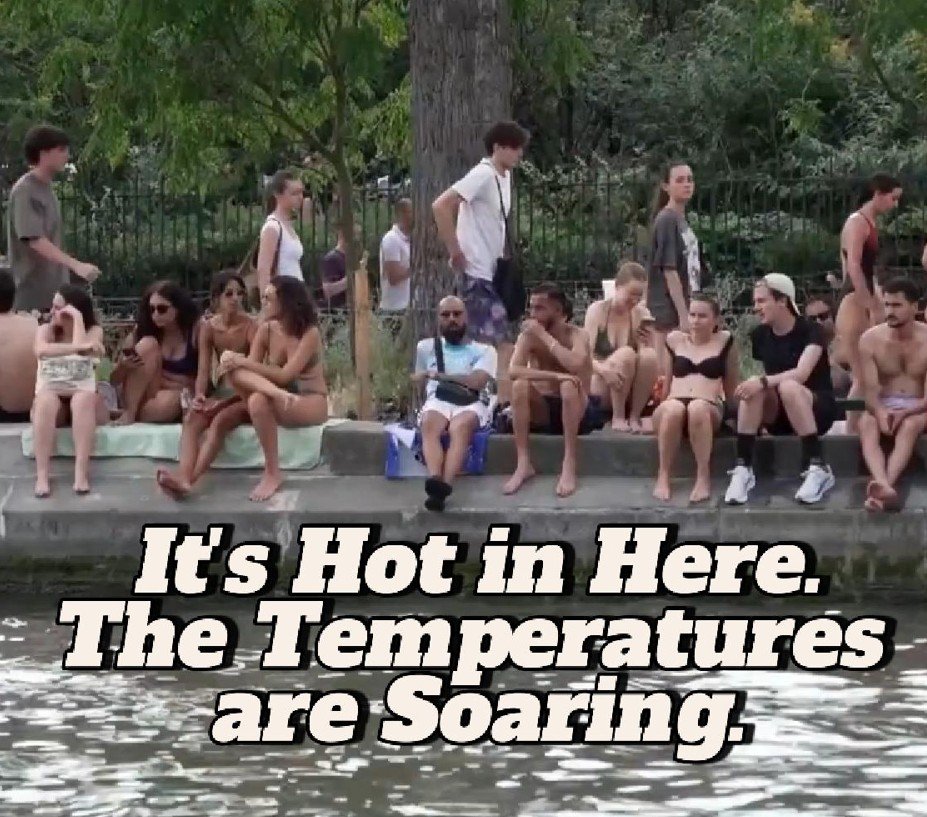
In my trip to Europe last month, I complained a lot about the heatwave I experienced in France, Belgium, the Netherlands and Germany. No AC in many places, even in some of the famed establishments. But where I was born and raised, North Africa, the region is living through one of its harshest summers in recent memory. A strong high-pressure system has trapped hot air across Morocco, Algeria, Tunisia, Egypt, and Libya for weeks, and the consequences have moved well past uncomfortable weather. Power grids are buckling under demand, wildfires are burning across northern Algeria at a pace authorities have rarely recorded, and households and small businesses are absorbing the cost in spoiled food, lost income, and disrupted daily life.
The heat wave itself
Morocco’s General Directorate of Meteorology has an orange-level heat alert in place, with temperatures forecast to reach 44 C to 46 C in Oued Ed-Dahab, Assa-Zag, Es-Semara, Tata, Zagora, and Boujdour, and 40 C to 44 C across several inland provinces. Even Essaouira, normally protected by its coastline, is seeing unusually hot conditions.
Algeria’s heat episode has gone further. The national meteorological office has kept alerts active across northern, high-plateau, and Saharan wilayas, with shade temperatures in some areas reaching 49 C. Tunisia is under the same system, with regional reporting describing temperatures near 50 C and disruption to travel, outdoor activity, and tourism. Libya sits inside the same weather pattern, and its mostly desert geography and long hours of sun exposure leave it particularly exposed, even though recent coverage has centered more on regional heat than on power outages there specifically.
The World Meteorological Organization has identified North Africa as the fastest-warming sub-region on the continent, and recent analysis shows heatwaves lasting longer and increasingly overlapping with drought and water stress. Full details: Summer in North Africa: Heat, Fire, and Failing Power Grids: https://north-africa.com/summer-in-north-africa-heat-fire-and-failing-power-grids/
Egypt: blackouts return despite assurances
Egypt is absorbing the heat wave differently than its neighbors. Officials said earlier this year that no scheduled summer load shedding was expected, and outlined additional fuel arrangements and capacity measures to prepare the grid. In practice, residents in Qalyubia, the Red Sea, Port Said, Sharqia, and Minya are reporting prolonged blackouts that arrive without warning and last for hours at irregular intervals.
The timing is part of the problem. July heat and high humidity make outages harder to bear in homes with elderly people, children, or patients who depend on stable electricity for medical equipment, and the same outages are straining water pumping systems in communities that rely on steady power for basic services. At street level, grocery stores, restaurants, and cafes are losing money to failed refrigeration, spoiled inventory, and interrupted internet and payment systems.
Egypt has dealt with recurring summer electricity stress for years, driven by a mix of heat waves, rising demand, and pressure on gas supplies. The pattern this year looks familiar: official reassurance in spring, then localized outages once temperatures and demand peak, then public frustration as the gap between planning and lived reality becomes visible again. Full details: Egypt’s Summer Blackouts Return as Energy Stress Reappears: https://north-africa.com/egypts-summer-blackouts-return-as-energy-stress-reappears/
Algeria: heat and fire compounding each other
Algeria’s exposure runs on two tracks at once. The same heat wave straining its grid has also fueled one of the country’s most severe wildfire crises in years. According to the Civil Protection service, Algeria recorded 1,619 fires between the start of the heat wave on July 8 and Wednesday, July 22, including 538 forest fires and 1,181 fires that damaged agricultural crops, orchards, and haystacks. The pace has stayed high, with 195 fires recorded in the 24 hours leading up to that Wednesday morning count.
As of that count, 53 fires were still active, including 18 in the northeastern province of Skikda alone. Officials have described the blazes as “sixth generation” fires, a term for wildfires that are exceptionally difficult to control, spread rapidly, and produce extreme heat. At least six people have died since the outbreak began, and the damage to forests, livestock, and agricultural production is hitting local economies on more than one front. Nearly all provinces in northern Algeria have been affected by either the heat wave or the fires, and in some cases both at once, which has complicated the emergency response. Full details: Algeria is Experiencing a Severe Wildfire Crisis: https://north-africa.com/algeria-is-experiencing-a-severe-wildfire-crisis/
The common thread
Three countries, three different symptoms, one underlying driver. In Morocco and Tunisia, it is about managing an extreme heat event directly. Egypt, for its part, is doing what it could to manage what that heat does to a power grid already stretched thin. Algeria is managing what it does to dry land and vegetation. These three stories point to the fact that North African governments are now increasingly having to plan around: heat of this intensity is clearly a recurring stress test for energy systems, emergency services, agriculture, and public health across the region, and each summer, the situation is getting worse.